Will Charges Ever Be Filed In The Murder of Tupac?
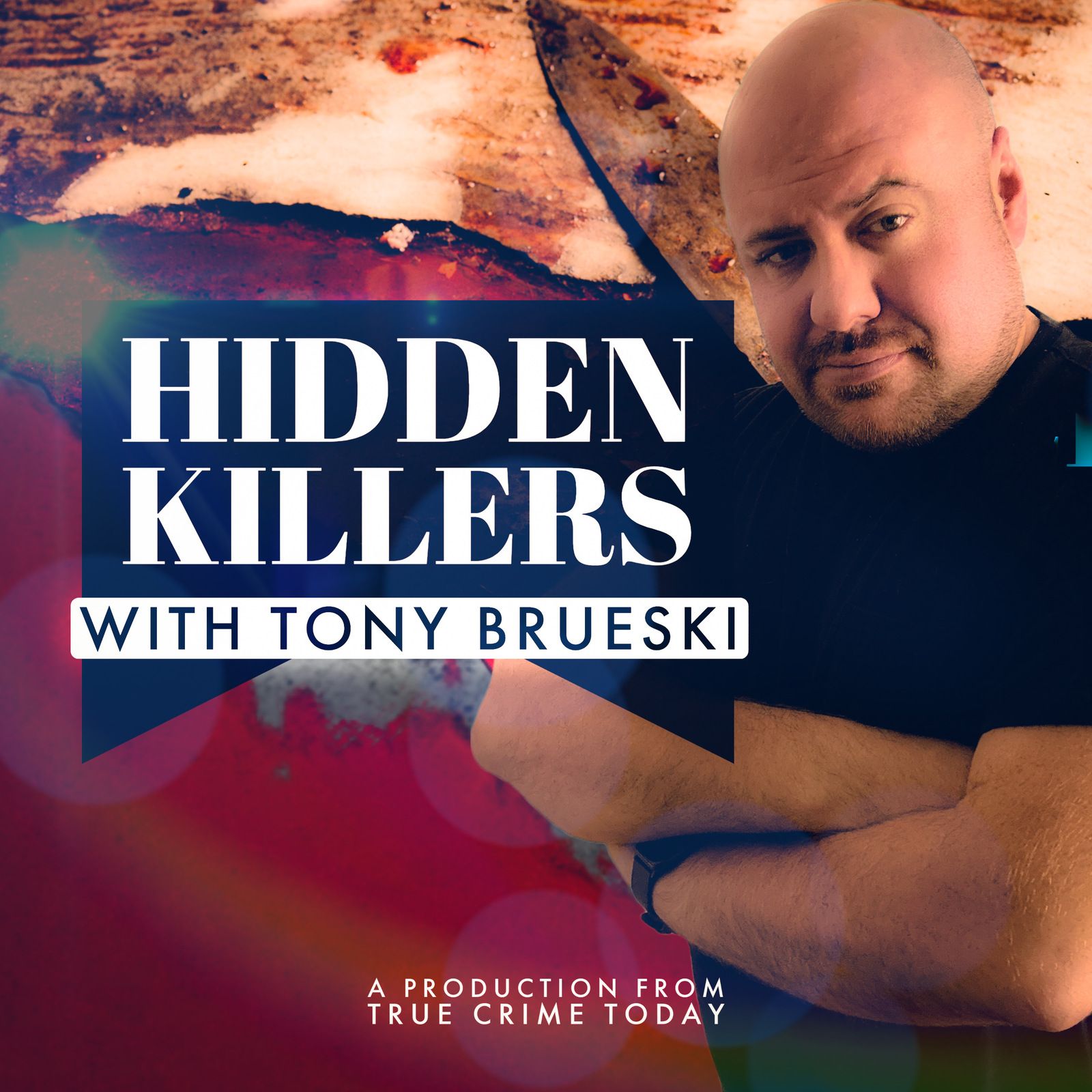
Unresolved for over three decades, the 1996 murder of iconic rapper Tupac Shakur remains a baffling case. Many attribute the lack of progression in the investigation to the pervasive ‘no-snitching’ culture. As forensic psychologist Kate Wallinga discussed recently on the “Hidden Killers” podcast with Tony Brueski, this culture of silence significantly hampered the investigative process, hiding potential leads and possible witnesses under a veil of fear, loyalty, and distrust.
“Mistrust in law enforcement in many marginalized communities seems to be one of the bigger reasons why this case has not been solved,” Brueski notes. For individuals within these communities, often the thought of possible retaliation or even the potential of being implicated in the crime themselves can dissuade them from sharing information. “There’s a certain attitude of, look, there are no words I can say that are gonna bring him back, but there are words I can say that are gonna get me killed,” Wallinga says.
Unraveling the culture of silence is no easy task. It’s a deep-seated issue often fueled by strained relationships between communities and law enforcement, and it continues to hinder the course of justice in many cases, as it did in the investigation into Shakur’s murder.
Notably, the people who were closest to the crime and who likely harbored valuable information, including members of Shakur’s entourage, succumbed to this culture. Their self-imposed silence further crippled the investigation and ultimately kept crucial details out of the hands of the investigators.
The suspicion over who killed Tupac has lingered for years, with Orlando Anderson’s name repeatedly surfacing. Anderson was also involved in the infamous brawl with Tupac hours before the shooting. Despite the widespread belief of his involvement and a slew of interviews pointing in his direction, the ‘no-snitching’ culture has managed to keep the investigation at a standstill.
Recent developments in the case have seen a search warrant executed on the house of Duane ‘Keefe D’ Davis, Anderson’s uncle. According to Wallinga, this move might be as much about sending a public message as it is about finding new evidence. “The reality is we all know about it now, don’t we? It’s become public knowledge, and that puts some serious pressure on a lot of people to speak up, not just he whose house was raided, but anybody related to the case,” Wallinga says.
The question of why this raid has occurred now, decades after the murder, remains. Wallinga speculates it could be politically motivated, coinciding with election season and signaling a tough-on-crime stance. She suggests that “political climate creates this soothing, well, look, we’re tough on crime. Sure. Kind of attitude.”Want to listen to ALL of our podcasts AD-FREE? Subscribe through APPLE PODCASTS, and try it for three days free: https://tinyurl.com/ycw626tj
Follow Our Other Cases: https://www.truecrimetodaypod.com
The latest on Catching the Long Island Serial Killer, Chad & Lori Daybell, The Murder of Ana Walshe, Alex Murdaugh, Bryan Kohberger, Lucy Letby, Kouri Richins, Justice for Harmony Montgomery, The Murder of Stephen Smith, The Murder of Madeline Kingsbury, and much more! Listen at https://www.truecrimetodaypod.com
“Mistrust in law enforcement in many marginalized communities seems to be one of the bigger reasons why this case has not been solved,” Brueski notes. For individuals within these communities, often the thought of possible retaliation or even the potential of being implicated in the crime themselves can dissuade them from sharing information. “There’s a certain attitude of, look, there are no words I can say that are gonna bring him back, but there are words I can say that are gonna get me killed,” Wallinga says.
Unraveling the culture of silence is no easy task. It’s a deep-seated issue often fueled by strained relationships between communities and law enforcement, and it continues to hinder the course of justice in many cases, as it did in the investigation into Shakur’s murder.
Notably, the people who were closest to the crime and who likely harbored valuable information, including members of Shakur’s entourage, succumbed to this culture. Their self-imposed silence further crippled the investigation and ultimately kept crucial details out of the hands of the investigators.
The suspicion over who killed Tupac has lingered for years, with Orlando Anderson’s name repeatedly surfacing. Anderson was also involved in the infamous brawl with Tupac hours before the shooting. Despite the widespread belief of his involvement and a slew of interviews pointing in his direction, the ‘no-snitching’ culture has managed to keep the investigation at a standstill.
Recent developments in the case have seen a search warrant executed on the house of Duane ‘Keefe D’ Davis, Anderson’s uncle. According to Wallinga, this move might be as much about sending a public message as it is about finding new evidence. “The reality is we all know about it now, don’t we? It’s become public knowledge, and that puts some serious pressure on a lot of people to speak up, not just he whose house was raided, but anybody related to the case,” Wallinga says.
The question of why this raid has occurred now, decades after the murder, remains. Wallinga speculates it could be politically motivated, coinciding with election season and signaling a tough-on-crime stance. She suggests that “political climate creates this soothing, well, look, we’re tough on crime. Sure. Kind of attitude.”Want to listen to ALL of our podcasts AD-FREE? Subscribe through APPLE PODCASTS, and try it for three days free: https://tinyurl.com/ycw626tj
Follow Our Other Cases: https://www.truecrimetodaypod.com
The latest on Catching the Long Island Serial Killer, Chad & Lori Daybell, The Murder of Ana Walshe, Alex Murdaugh, Bryan Kohberger, Lucy Letby, Kouri Richins, Justice for Harmony Montgomery, The Murder of Stephen Smith, The Murder of Madeline Kingsbury, and much more! Listen at https://www.truecrimetodaypod.com

