Could Dust ‘Signatures’ In Our Environments Connect Killers to Crime Scenes?
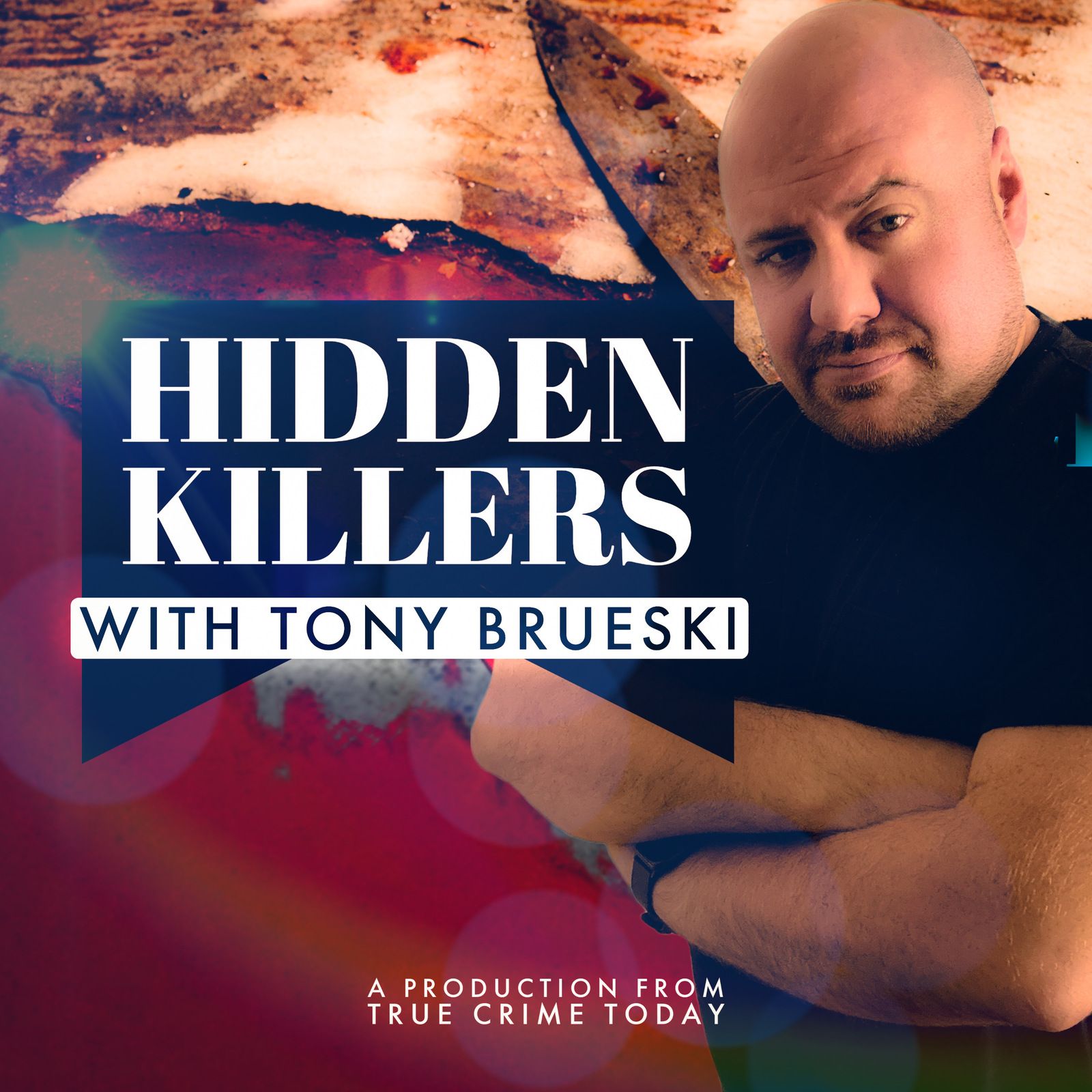
Is it possible that the dust particles we casually brush off could be the silent witnesses to our presence in a room? This intriguing question forms the crux of a fascinating conversation between Tony Brueski, host of the “Hidden Killers” podcast, and forensic scientist and professor Dan Krane. Their discussion delves deep into the concept of Dust DNA, exploring its potential implications for forensic science and crime scene investigation.
Brueski initiates the conversation with a thought-provoking inquiry about the feasibility of using dust DNA in crime scenes, especially in cases where suspects are apprehended immediately after an incident. “Could this lead to something where one could go in terms of how they investigate?” he asks, pondering the uniqueness of a room’s DNA signature and its potential to link individuals to specific locations.
Krane’s response sheds light on the complexities of Dust DNA. He highlights three critical aspects: the uniqueness of DNA signatures, the challenges in determining the transferability and persistence of DNA, and the potential use of DNA findings in law enforcement investigations. According to Krane, while the concept of Dust DNA is intriguing, its practical application is fraught with challenges, primarily due to the difficulty in establishing the distinctiveness and context of DNA traces.
The conversation takes an interesting turn when Krane discusses the potential misuse of Dust DNA findings in law enforcement. He mentions the possibility of detectives using DNA matches, irrespective of their scientific validity, as a tool to coerce confessions during interrogations. This prospect opens up a plethora of ethical and legal considerations, suggesting that while Dust DNA could be a powerful tool in generating investigative leads, its use as courtroom evidence requires further scrutiny and development.
Brueski and Krane also explore the evolution of DNA technology in forensic science. Krane reflects on the advancements since the late 1980s and early 1990s, noting that the markers used then are still prevalent today. However, he points out that if these tests were designed today, they would likely focus on sequence differences (single nucleotide polymorphisms or SNPs) rather than length differences. This shift could allow for more detailed profiling, potentially revealing not just identity but also physical characteristics of individuals.
Despite the advances in DNA technology, Krane emphasizes the inertia within the forensic community due to existing databases and methodologies. He explains that transitioning to newer technologies, like next-generation sequencing, is not straightforward due to the massive backlog of existing DNA profiles and the logistical challenges in retesting them.
The conversation with Krane illuminates the current state and future potential of forensic DNA analysis, particularly the emerging concept of Dust DNA. While this technology holds immense promise, it also raises significant questions about its reliability, ethical use, and the balance between scientific innovation and legal standards.
As we stand on the brink of potentially transformative forensic tools like Dust DNA, one must wonder: Are we prepared to navigate the intricate maze of scientific possibilities and ethical dilemmas they present? This question leaves readers pondering the complex interplay between cutting-edge science and the foundational principles of justice and fairness.
Want to listen to ALL of our podcasts AD-FREE? Subscribe through APPLE PODCASTS, and try it for three days free: https://tinyurl.com/ycw626tj
Follow Our Other Cases: https://www.truecrimetodaypod.com
The latest on Catching the Long Island Serial Killer, Awaiting Admission: BTK’s Unconfessed Crimes, Delphi Murders: Inside the Crime, Chad & Lori Daybell, The Murder of Ana Walshe, Alex Murdaugh, Bryan Kohberger, Lucy Letby, Kouri Richins, Malevolent Mormon Mommys, Justice for Harmony Montgomery, The Murder of Stephen Smith, The Murder of Madeline Kingsbury, and much more! Listen at https://www.truecrimetodaypod.com
Brueski initiates the conversation with a thought-provoking inquiry about the feasibility of using dust DNA in crime scenes, especially in cases where suspects are apprehended immediately after an incident. “Could this lead to something where one could go in terms of how they investigate?” he asks, pondering the uniqueness of a room’s DNA signature and its potential to link individuals to specific locations.
Krane’s response sheds light on the complexities of Dust DNA. He highlights three critical aspects: the uniqueness of DNA signatures, the challenges in determining the transferability and persistence of DNA, and the potential use of DNA findings in law enforcement investigations. According to Krane, while the concept of Dust DNA is intriguing, its practical application is fraught with challenges, primarily due to the difficulty in establishing the distinctiveness and context of DNA traces.
The conversation takes an interesting turn when Krane discusses the potential misuse of Dust DNA findings in law enforcement. He mentions the possibility of detectives using DNA matches, irrespective of their scientific validity, as a tool to coerce confessions during interrogations. This prospect opens up a plethora of ethical and legal considerations, suggesting that while Dust DNA could be a powerful tool in generating investigative leads, its use as courtroom evidence requires further scrutiny and development.
Brueski and Krane also explore the evolution of DNA technology in forensic science. Krane reflects on the advancements since the late 1980s and early 1990s, noting that the markers used then are still prevalent today. However, he points out that if these tests were designed today, they would likely focus on sequence differences (single nucleotide polymorphisms or SNPs) rather than length differences. This shift could allow for more detailed profiling, potentially revealing not just identity but also physical characteristics of individuals.
Despite the advances in DNA technology, Krane emphasizes the inertia within the forensic community due to existing databases and methodologies. He explains that transitioning to newer technologies, like next-generation sequencing, is not straightforward due to the massive backlog of existing DNA profiles and the logistical challenges in retesting them.
The conversation with Krane illuminates the current state and future potential of forensic DNA analysis, particularly the emerging concept of Dust DNA. While this technology holds immense promise, it also raises significant questions about its reliability, ethical use, and the balance between scientific innovation and legal standards.
As we stand on the brink of potentially transformative forensic tools like Dust DNA, one must wonder: Are we prepared to navigate the intricate maze of scientific possibilities and ethical dilemmas they present? This question leaves readers pondering the complex interplay between cutting-edge science and the foundational principles of justice and fairness.
Want to listen to ALL of our podcasts AD-FREE? Subscribe through APPLE PODCASTS, and try it for three days free: https://tinyurl.com/ycw626tj
Follow Our Other Cases: https://www.truecrimetodaypod.com
The latest on Catching the Long Island Serial Killer, Awaiting Admission: BTK’s Unconfessed Crimes, Delphi Murders: Inside the Crime, Chad & Lori Daybell, The Murder of Ana Walshe, Alex Murdaugh, Bryan Kohberger, Lucy Letby, Kouri Richins, Malevolent Mormon Mommys, Justice for Harmony Montgomery, The Murder of Stephen Smith, The Murder of Madeline Kingsbury, and much more! Listen at https://www.truecrimetodaypod.com

